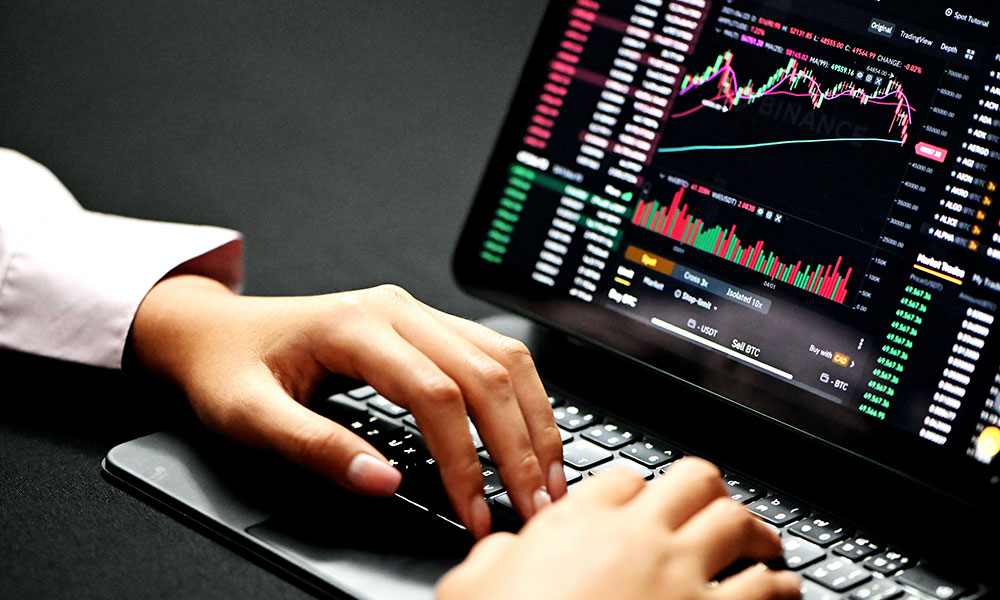

The foreign exchange market, commonly known as forex, is the largest and most liquid financial market in the world. Trillions of dollars are traded every day, connecting economies, institutions, and individual traders across continents. For Danish traders, this global reach creates meaningful opportunities to participate in international markets, manage currency exposure, and pursue flexible trading strategies that align with personal financial goals.
At the same time, forex trading demands structure, patience, and a clear understanding of how currencies move. Success is rarely about reacting quickly and more often about preparation and consistency. This article explores practical forex strategies designed to help Danish traders approach the global currency markets with confidence, discipline, and a long-term perspective.
Understanding the Foundations of Forex Trading
Forex trading involves the exchange of one currency for another, always traded in pairs. When trading EUR/USD, for example, you are buying euros while selling U.S. dollars or vice versa. The value of each currency pair fluctuates constantly based on economic data, monetary policy, and market sentiment.
Unlike traditional equity markets, forex operates continuously from Monday to Friday, following the opening hours of major financial hubs such as London, New York, and Tokyo. This around-the-clock structure allows Danish traders to respond to global developments in real time, whether during European trading hours or later sessions influenced by U.S. or Asian markets.
Currency prices are driven by factors such as interest rate expectations, inflation trends, economic growth, and geopolitical stability. Understanding how these elements interact provides the foundation for developing informed trading strategies rather than relying on guesswork.
Using Technical Analysis to Identify Opportunities
Technical analysis focuses on price behaviour and historical data to anticipate future market movements. Many forex traders rely on charts and indicators to identify trends, momentum shifts, and potential entry or exit points.
Moving averages are often used to determine whether a market is trending upward or downward, while support and resistance levels help identify areas where price may pause or reverse. Momentum indicators such as the Relative Strength Index offer insight into whether a currency pair may be overbought or oversold, providing clues about potential corrections.
Technical analysis is especially popular in forex markets because currency prices often respect recurring patterns. For Danish traders, learning to read charts effectively can improve timing and reduce emotional decision-making, especially in fast-moving markets.
Applying Fundamental Analysis for Broader Context
While technical analysis focuses on price action, fundamental analysis examines the economic forces behind currency movements. Central bank policies, inflation data, employment reports, and political developments all influence how currencies are valued against one another.
Interest rate decisions by institutions such as the European Central Bank or the U.S. Federal Reserve often trigger significant forex volatility. A higher interest rate generally attracts foreign capital, strengthening a currency, while lower rates can have the opposite effect. Inflation trends and labour market data further shape expectations about future policy changes.
For traders who want to understand forex markets beyond charts alone, combining economic insight with price analysis creates a more balanced perspective. If you are looking to deepen your understanding of how currencies are traded and the different approaches available, you can find more info that outlines key concepts and trading methods in greater detail.
Managing Risk in a Highly Liquid Market
Risk management is central to sustainable forex trading. The availability of leverage means traders can control large positions with relatively small capital, but this also increases potential losses if the market moves unexpectedly.
Setting clear stop-loss levels helps limit downside risk, while take-profit orders allow traders to lock in gains without constantly monitoring the market. Position sizing is equally important, as committing too much capital to a single trade can quickly erode an account during periods of volatility.
For Danish traders, approaching forex with a risk-first mindset encourages consistency and resilience. Protecting capital ensures that short-term losses do not prevent long-term participation and growth in the market.
Creating a Personal Trading Plan
A well-defined trading plan acts as a guide through both calm and volatile market conditions. It outlines which markets to trade, what strategies to use, and how much risk to accept on each position.
Effective trading plans include criteria for entering and exiting trades, guidelines for managing losses, and a process for reviewing performance. By documenting decisions and outcomes, traders can identify patterns in their behaviour and refine their strategies over time.
Discipline is often what separates successful traders from unsuccessful ones. A trading plan provides structure, helping Danish traders remain focused on their strategy rather than reacting emotionally to short-term price movements.
Conclusion
Forex trading offers Danish traders access to a truly global marketplace, where opportunity is shaped by economic trends, policy decisions, and market psychology. By understanding both technical and fundamental strategies, traders can approach currency markets with greater clarity and purpose.
With strong risk management and a clearly defined trading plan, forex becomes less about speculation and more about informed decision-making. Over time, consistency, education, and patience can transform forex trading into a structured and empowering financial pursuit.