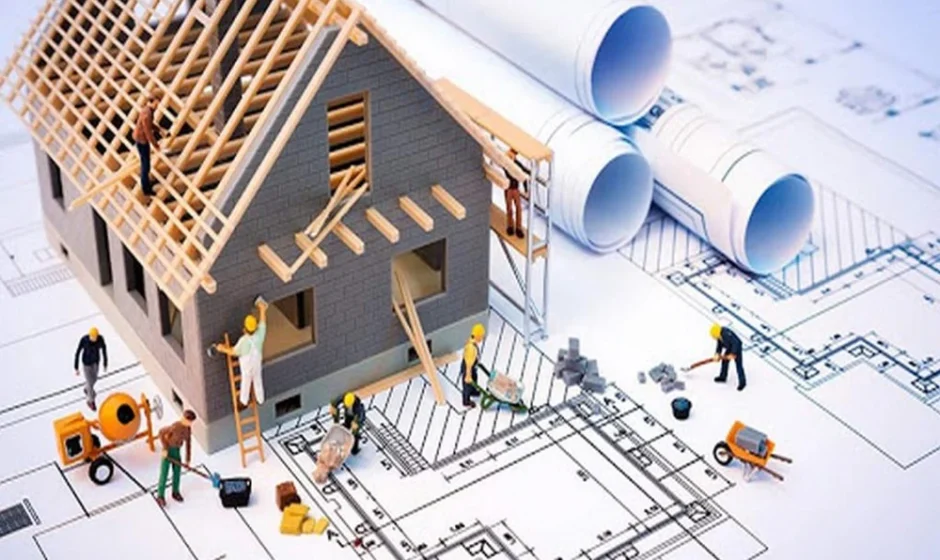

Buildings use large amounts of energy and resources, which can lead to high carbon emissions. As more governments and businesses introduce climate policies, property owners need to understand and manage their environmental impact. A building carbon analysis can help identify the main sources of carbon emissions and show where improvements can be made. By taking action early, building owners can lower emissions, reduce operating costs, and prepare their properties for future environmental standards.
Reducing a building’s carbon footprint does not always require major changes. Simple improvements in materials, energy use, water management, and building operations can make a significant difference. Here are 10 practical ways to make a building more energy-efficient and environmentally friendly.
1. Choose Low-Carbon Building Materials
The materials used in construction can have a major effect on a building’s carbon footprint. Some materials require large amounts of energy to produce and transport, while others have a lower environmental impact.
When choosing construction products, look for materials with lower carbon emissions. Environmental Product Declarations (EPDs) can provide useful information about the environmental impact of a product throughout its life cycle. Comparing products before making purchasing decisions can help project teams select better options.
Using locally available materials when suitable can also reduce emissions from transportation.
2. Use Energy-Efficient HVAC Systems
Heating, ventilation, and air-conditioning systems can use a large amount of energy, especially in buildings that require cooling throughout the year. Improving HVAC efficiency can therefore have a major effect on overall carbon emissions.
Building owners should consider energy-efficient equipment, smart temperature controls, sensors, and regular maintenance. HVAC systems should also be correctly sized for the building to avoid unnecessary energy use.
Well-maintained equipment can provide better performance while using less electricity.
3. Carry Out Regular Energy Audits and Commissioning
Buildings do not always operate as efficiently as they were originally designed. Equipment settings can change, controls may stop working correctly, and building use can change over time.
Regular energy audits can identify areas where energy is being wasted. Building commissioning can also check whether heating, cooling, lighting, and other systems are working correctly.
Fixing these problems can reduce energy consumption, lower operating costs, and improve occupant comfort.
4. Use Low-Carbon Concrete
Concrete is one of the most common materials used in construction, but cement production produces significant carbon emissions.
Where appropriate, construction projects can use lower-carbon concrete mixes that contain materials such as fly ash, slag, or calcined clay. Using less cement where technically possible can also help reduce emissions.
The selected concrete must still meet the project’s safety, strength, and durability requirements.
5. Reuse and Recycle Building Materials
Reusing materials can reduce the need to produce new products and can also lower construction waste.
Materials such as wood, metal, bricks, and concrete may be reused or recycled depending on their condition. Construction teams should identify materials that can be recovered before throwing them away.
A clear recycling and waste management plan can help keep useful materials out of landfills and reduce the environmental impact of construction.
6. Improve Structural Efficiency
Using materials efficiently is another way to lower a building’s carbon footprint. Good structural design can reduce the amount of concrete, steel, wood, and other materials needed without affecting safety.
Engineers can review the building’s structure, floor slabs, framing systems, and layout to find ways to reduce unnecessary material use.
Using fewer materials also means fewer emissions from manufacturing, transportation, and installation.
7. Reuse Existing Buildings
When possible, renovating an existing building can be better for the environment than demolishing it and constructing a completely new one.
Existing buildings already contain foundations, structural systems, walls, and other materials. Keeping these elements can prevent large amounts of construction waste and avoid the carbon emissions associated with producing new materials.
Before choosing demolition, property owners should consider whether the building can be renovated, upgraded, or adapted for a new purpose.
8. Reduce Energy Use and Add Renewable Energy
Reducing energy consumption is one of the most effective ways to lower building emissions. Simple measures such as LED lighting, better insulation, energy-efficient appliances, improved windows, and smart controls can reduce electricity use.
Once energy waste has been reduced, buildings can consider renewable energy sources. Solar panels are a practical option for many properties with suitable roof space.
Using renewable energy can reduce dependence on electricity generated from fossil fuels and help lower long-term carbon emissions.
9. Save Water
Water conservation is also an important part of creating a more sustainable building. Treating, heating, and transporting water requires energy, which means excessive water use can increase a property’s environmental impact.
Buildings can reduce water consumption by installing low-flow faucets, efficient toilets, tap aerators, water sensors, and other water-saving fixtures.
Leaks should also be repaired quickly. Larger buildings may consider rainwater collection, water reuse systems, and more efficient irrigation methods where practical.
10. Reduce Construction and Operational Waste
Waste reduction should begin during the design and planning stage. Accurate measurements and careful material ordering can prevent unnecessary purchases and reduce leftover materials.
Modular designs and standard material sizes can also reduce cutting and waste during construction. During building operations, waste should be separated so that recyclable and reusable materials can be recovered.
A good waste management program can reduce landfill waste while also lowering material and disposal costs.
Conclusion
Reducing a building’s carbon footprint requires a combination of smart design, efficient systems, responsible material choices, and good building management. A building carbon analysis can provide a clear starting point by showing where most emissions are produced and which improvements could have the greatest impact.
From choosing low-carbon materials and improving HVAC systems to saving water and reducing waste, these 10 strategies can help building owners create more efficient and sustainable properties. They can also lower operating costs, improve comfort, increase property value, and help buildings prepare for future environmental regulations.